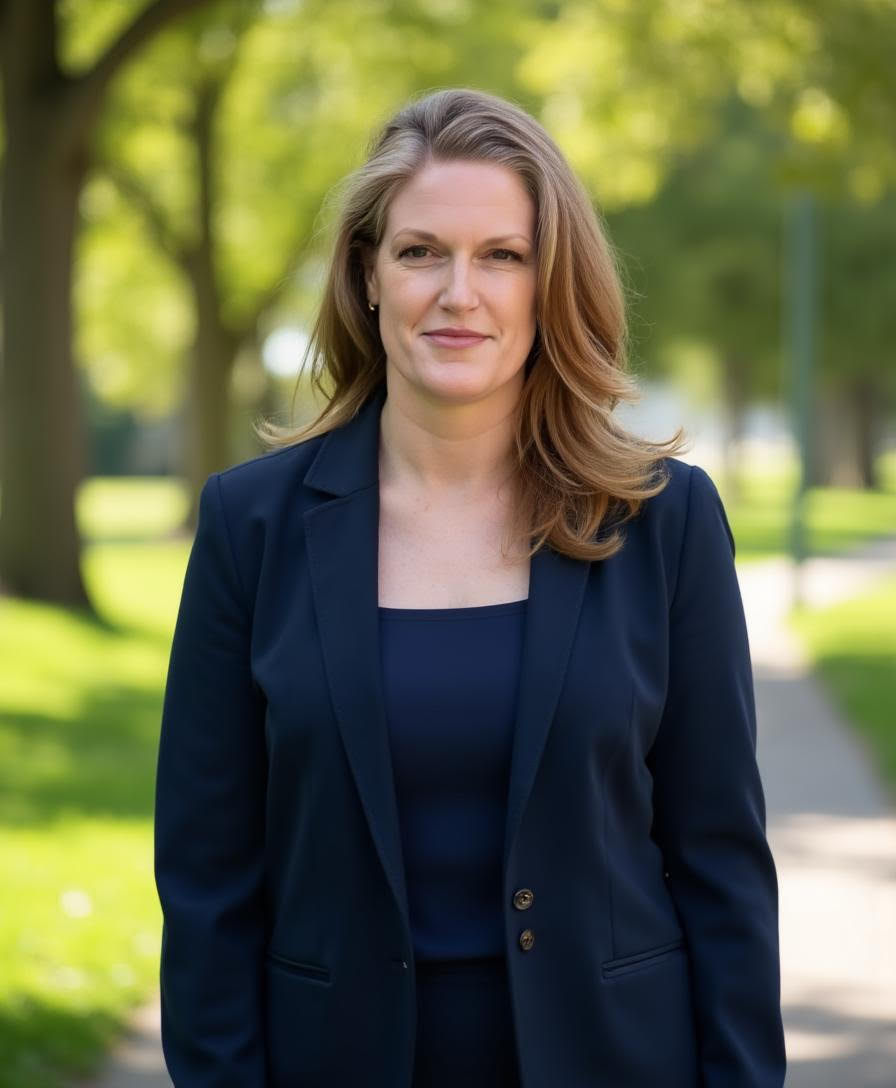
Marian Grone, founder. Working with executive teams across the U.S.
I started ClearFuture Strategy because I kept seeing the same problem.
Companies with a strategy that the system around it could not carry. Or an execution engine running hard in the wrong direction. The fix is almost never another offsite. It is in the design of the operating system that should make the strategy real: the cadences, the decision rights, and the governance that turn a plan into work.
I trained as a strategy consultant at BCG, where I worked on transformation engagements across healthcare, life sciences, retail, and energy. I then spent years running strategy and ops at scale. As a VP at McKesson and Collective Health, I owned the annual enterprise strategy cycle, led due diligence on M&A deals that closed over half a billion dollars, built a new market intelligence function from scratch, rebuilt commercial operations processes that had not scaled with the business, and had the honor of acting as a direct thought partner to many business unit presidents and C-suite leaders.
I have been the person in the room who recommends not to proceed. I have rebuilt planning processes that had quietly stopped serving the business. I have told CEOs the thing nobody else wanted to say. That kind of judgment is what I bring to client work, and it is what ClearFuture Strategy is built around.
Most of my career has been in healthcare and life sciences: payer, provider, pharma, distribution, digital health. The complexity of the industry rewards leaders who can hold the strategic picture and the operational reality at the same time. That is where I have always lived.